Crystal Palace Park gardeners for event lawn and hedge care
If you are planning a gathering near Crystal Palace Park, the difference between "nice enough" and genuinely event-ready often comes down to the details outside the marquee, the seating area, or the main entrance. Crisp lawn edges, even grass, tidy hedges, and clear access paths can change the feel of a whole venue in a single afternoon. That is where Crystal Palace Park gardeners for event lawn and hedge care come in: practical, local support for outdoor spaces that need to look calm, clean, and properly looked after.
Whether you are preparing for a wedding reception, community event, corporate launch, or family celebration, the work is rarely just mowing and clipping. It is about timing, presentation, safety, and keeping the space resilient before and after foot traffic. In our experience, the best results come from planning the lawn and hedge work like part of the event itself. Small changes, done at the right moment, make a big visual difference. And yes, guests notice. Always.
This guide explains what event lawn and hedge care involves, how it works, when it makes sense, and what to watch out for. You will also find a checklist, a comparison table, and practical advice to help you choose the right approach for a space that needs to look good in real life, not just in photos.
Table of Contents
- Why Crystal Palace Park gardeners for event lawn and hedge care Matters
- How Crystal Palace Park gardeners for event lawn and hedge care Works
- Key Benefits and Practical Advantages
- Who This Is For and When It Makes Sense
- Step-by-Step Guidance
- Expert Tips for Better Results
- Common Mistakes to Avoid
- Tools, Resources and Recommendations
- Law, Compliance, Standards, or Best Practice
- Options, Methods, or Comparison Table
- Case Study or Real-World Example
- Practical Checklist
- Conclusion
- Frequently Asked Questions
Why Crystal Palace Park gardeners for event lawn and hedge care Matters
Event spaces live or die on first impressions. A lawn can be functional, but if it looks patchy, uneven, or trampled, the whole setting feels less polished. Hedges are similar. They frame the space, create privacy, soften boundaries, and help direct movement. When they are overgrown or ragged, they do the opposite: they make the site feel untidy and a bit rushed.
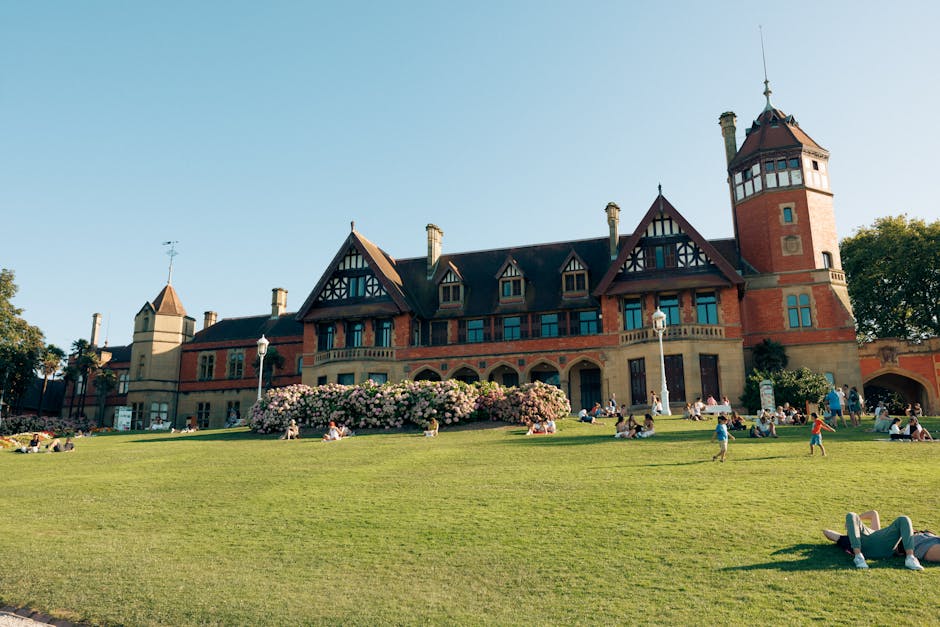
In a place like Crystal Palace Park, the surroundings already carry strong visual character, so any event setup has to work with that setting rather than fight it. Tidy turf and disciplined hedge lines help the venue feel intentional. That matters for photos, guest comfort, navigation, and even the mood of the day. Nobody wants to be stepping through long grass with a drink in one hand and a canape in the other. Let's be honest, that's not the vibe.
There is also a practical side. Event lawn care is not just aesthetic. It affects ground stability, wet-weather performance, access routes, and how quickly the space recovers afterwards. Hedge care can improve sightlines, reduce nuisance overhang, and prevent obstructing pathways or signage. When gardeners plan these tasks properly, they help the event run smoother before anyone has even arrived.
If you want a broader maintenance approach for a multi-use site, it can help to combine specialist work with regular garden maintenance support so the space is always easier to present at short notice.
How Crystal Palace Park gardeners for event lawn and hedge care Works
The process is usually more structured than people expect. Good event lawn and hedge care starts well before the event date, ideally with a site walk and a realistic look at what needs to be done, what should be left alone, and what could become a problem if ignored.
Here is the basic workflow most professional gardeners follow:
- Assess the site. Check lawn condition, hedge height and density, access routes, drainage issues, shaded sections, and any areas likely to suffer heavy footfall.
- Agree the finish. Define what "event-ready" means for this specific location: neat but natural, formal and clipped, or more relaxed and park-friendly.
- Schedule the cut or trim. Lawn and hedge work is timed so the space looks best on the day, not a week too early.
- Prepare edges and boundaries. Tidy borders, remove debris, and make sure paths, entrances, and viewing points are clear.
- Carry out the main work. Mowing, edging, hedge trimming, light shaping, weed control, and cleanup are handled in the right sequence.
- Review after weather or use. If the event runs over several days, some spaces need touch-ups to keep them looking fresh.
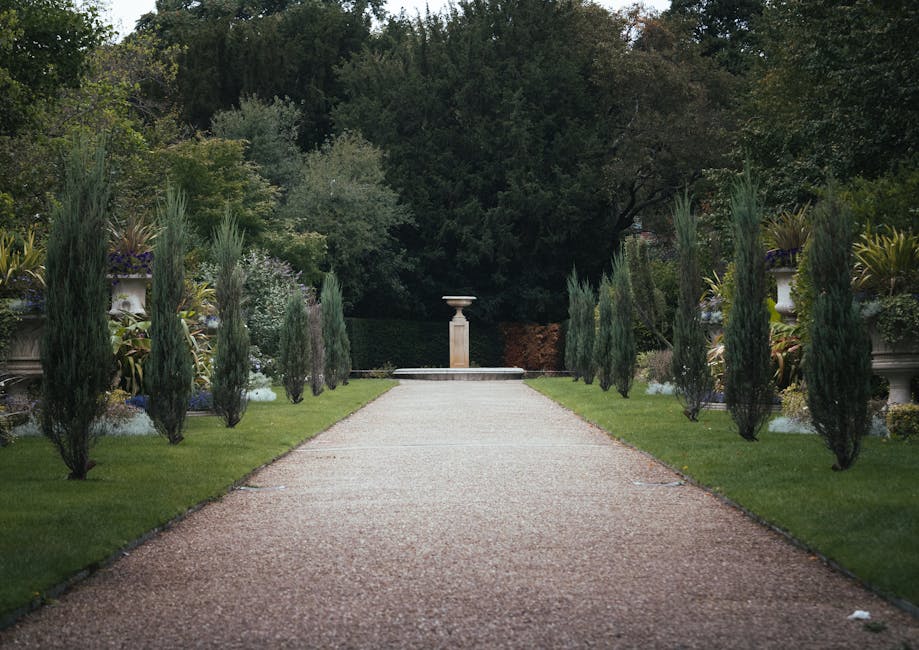
For lawns, the aim is usually a uniform cut, healthy appearance, and a surface that can tolerate traffic without looking scalped. For hedges, it is about density, shape, and safe clearance. A hedge should frame the event, not crowd it.
If there are trees nearby, a light review from a tree surgery service may also be sensible where overhanging branches, deadwood, or blocked light could affect the lawn or event area.
For the actual hedge work, professional hedge trimming is what keeps the lines sharp without damaging new growth or creating that blunt, hacked look you sometimes see after a rushed job.
Key Benefits and Practical Advantages
The value of specialist event lawn and hedge care is not only in how it looks on the day. It is also about reducing stress for the organiser, improving usability, and protecting the outdoor setting itself.
- Better visual impact: Clean lines and even grass create a professional backdrop for photographs and guest arrivals.
- Safer movement: Clear hedge boundaries and tidy turf help reduce trips, snagging, and blocked access points.
- More reliable presentation: An event lawn that is maintained properly looks neat even after being walked on.
- Less last-minute panic: A proper maintenance plan avoids the "we should probably do something about this" moment the day before.
- Healthier long-term growth: Good mowing and trimming practices support ongoing lawn and hedge condition.
- Better use of space: Clear hedge lines and defined edges make it easier to place furniture, marquees, or temporary equipment.
There is a subtler advantage too. A well-kept lawn and hedge line changes how people behave in the space. Guests move more confidently. Staff can manage the area more easily. Even vendors tend to respect a space that feels properly cared for. It sounds small, but it adds up fast.
If your event layout includes seating, pathways, or timber features, matching the green space with practical finishes can help. For example, a tidy event lawn beside a smart deck or patio feels much more complete. In that kind of setup, decking services or patio cleaning can support the overall presentation rather neatly.
And when a venue needs ongoing attention beyond one event, coordinated lawn care makes the turf stronger, greener, and much less fussy under pressure.
Who This Is For and When It Makes Sense
This kind of service suits anyone responsible for preparing an outdoor space where presentation matters. That might sound obvious, but the use cases are broader than just weddings and parties.
- Event organisers planning outdoor receptions or marquee setups
- Venue managers who need grounds ready for repeated bookings
- Community groups hosting fairs, performances, or seasonal gatherings
- Property managers looking after shared lawns and boundary hedging
- Homeowners preparing to host a large celebration with guests outdoors
- Schools, clubs, and local organisations using green space for public events
It makes sense when the lawn is part of the guest experience, not just background scenery. If people will walk on it, sit near it, gather beside it, or photograph it, then it needs to be managed with more care than a standard weekly cut.
It also makes sense after a period of neglect. Truth be told, event spaces often get a bit forgotten during quieter months. Growth surges, hedges thicken, and weeds settle in. If that sounds familiar, a full reset can be more effective than a quick tidy. For overgrown or awkward areas, a service focused on general gardening support can be a useful starting point.
For smaller areas or patchy spaces, you might not need a full overhaul. A targeted solution works fine. The point is to choose the right level of care. Not too much, not too little. Just enough to make the place feel ready.
Step-by-Step Guidance
If you are trying to get an event lawn and hedge plan in place, this is the simplest way to approach it without overcomplicating the job.
1. Start with the event date and guest movement
Work backwards from the day of the event. Ask where people will arrive, where they will stand, where catering or equipment will sit, and which areas will see the most foot traffic. That tells you where the lawn has to be strongest and where the hedge lines matter most.
2. Check lawn condition honestly
Look for worn patches, moss, compacted soil, dry areas, and uneven sections. Do not just glance from the edge and assume it will be fine. Walk it. You will notice the dips and soft spots straight away, especially in morning light.
3. Decide on the hedge finish
Hedges for event spaces usually need a clean profile with safe clearance. That may mean reducing width, lifting height slightly, or removing overgrowth around paths and access points. A proper trim should keep the hedge healthy, not bare.
4. Clear the surrounding clutter
Before mowing or trimming, remove litter, fallen twigs, loose stakes, and anything that could disrupt the finish. If there are adjacent fences, check whether a tidy-up there would improve the whole look. Sometimes a neatly repaired edge or boundary changes the atmosphere more than another cut of grass. If needed, fencing work can help restore a cleaner boundary line.
5. Schedule mowing and trimming at the right time
The lawn should not be cut so early that it grows back shaggy before the event. Equally, do not leave it to the last possible minute if the forecast is uncertain. A professional mower will often aim for a timing window that keeps the grass looking freshly cut but not stressed. For many spaces, a reliable lawn mowing service is the backbone of the plan.
6. Finish with edging and cleanup
Edges make a huge difference. They sharpen the outline of the lawn and stop the whole area from looking soft or fuzzy. A final cleanup should include clippings, hedge cuttings, and any debris around entrances or seating areas.
7. Plan for touch-ups if the event runs longer
Multi-day events or highly active sites may need a short follow-up visit. That can be the difference between a lawn that still looks cared for on day two and one that suddenly looks tired. Small intervention, big payoff.
Expert Tips for Better Results
These are the little things that help good results become consistently good, which is what event work really needs.
- Do not mow too short: Cutting too low weakens the grass and makes it more vulnerable to dry weather and heavy use.
- Trim hedges with the final shape in mind: Don't just remove growth. Think about the silhouette from the guest viewpoint.
- Check light and shade patterns: Areas under trees or beside buildings often need different treatment from open sections.
- Watch the weather window: Rain, heat, and wind all change how lawn and hedge work should be timed.
- Use the event route as your guide: Prioritise entrances, signing points, photo spots, and gathering areas first.
- Leave hedges slightly fuller than you think: Over-thinning can leave gaps that look awkward for weeks.
A nice rule of thumb: if a visitor can understand where to walk, where to stand, and where the boundaries are without asking, the garden work has probably done its job.
For organisers who want a calmer, more polished atmosphere, ideas from zen garden strategies can be surprisingly useful. The thinking is simple: less visual noise, clearer lines, better flow.
If the site is exposed, you may also want to think about resilience. Hedges and lawns that cope well in wind, shade, or sudden weather shifts are usually the ones maintained with an eye on the season rather than just the event date. A bit of planning now saves a lot of fiddling later. Honestly, that is the whole game.
Common Mistakes to Avoid
Event lawn and hedge care can go wrong in fairly predictable ways. The good news is that most of them are easy to avoid once you know what to look for.
- Leaving work too late: Last-minute cuts can look rushed and may not settle before guests arrive.
- Over-trimming hedges: Hard cutting can expose bare patches and make the boundary look uneven.
- Ignoring drainage: If a lawn holds water, it can quickly become soft, muddy, and unsafe under foot.
- Forgetting access points: A beautiful lawn is no use if the route in and out is awkward or blocked.
- Using the same approach everywhere: Sunny turf, shaded turf, and high-traffic turf all behave differently.
- Skipping a final walk-through: This one is common. And slightly annoying, because the fix is so simple.
Another mistake is assuming that "neat" automatically means "event-ready." Not always. A space can be tidy but still feel tired, thin, or poorly framed. Real event readiness means the lawn looks healthy enough to hold the day, and the hedges look intentional, not merely cut.
If your event space has nearby overgrowth or invasive plants creeping into the edges, take care of them properly rather than hacking them back repeatedly. A clear guide to removing ivy permanently can help you understand why persistent growth needs a proper plan.
Tools, Resources and Recommendations
You do not need every gadget in the shed to maintain an event lawn well, but the right tools make a big difference. Professionals usually rely on a mix of cutting, edging, measuring, and cleanup equipment suited to the size and condition of the site.
- Precision mower: For even cuts and reliable finish quality
- Hedge trimmer: For shaping, smoothing, and controlling hedge lines
- Edging tool: For defining borders and pathways
- Rake and blower: For removing clippings and stray debris
- Gloves and eye protection: Always sensible, especially when trimming dense hedges
- Wheelbarrow or collection bags: To keep cleanup efficient and tidy
For garden planning, a few practical guides can be useful even if you are not doing the work yourself. Articles such as essential tools for garden work and beginner gardening tips can help you understand the basics of maintenance and timing.
If you are building a more attractive boundary or trying to create privacy around an event area, it may also help to think about planting and screening. That is where a resource like fast-growing hedge ideas becomes surprisingly relevant, especially for longer-term venue planning.
And if the space has seasonal use, a simple maintenance calendar is one of the best tools of all. Boring? Maybe a bit. Effective? Absolutely.
Law, Compliance, Standards, or Best Practice
For event lawn and hedge care, the main compliance issues are usually practical rather than highly technical. You are not normally dealing with a complex legal regime, but there are still sensible standards to respect.
First, work safely. Cutting equipment, slippery grass, sharp hedge trimmers, and public access all create obvious hazards. A competent gardener should use appropriate protective equipment and keep the working area controlled. That is just good practice. If an area is open to the public, the job should be planned with a clear eye on pedestrian movement, temporary barriers if needed, and tidy removal of waste.
Second, avoid damaging adjoining property, fences, paths, or planted areas. Good contractors know how to trim close without leaving a mess. If branches overhang a lawn or event zone, tree work should be handled carefully, which is why a specialist tree surgery service may be part of the wider plan.
Third, respect nesting birds and seasonal wildlife concerns. In the UK, hedge cutting is commonly approached with care during nesting season, and while exact circumstances vary, the safest habit is to check before major work and avoid unnecessary disturbance. The same common-sense approach applies to other living parts of the site as well.
Fourth, manage waste properly. Grass clippings, hedge cuttings, and debris should be collected and removed or composted responsibly where suitable. For many gardens, turning organic waste into soil-improving material is sensible, and there is a helpful discussion of that idea in organic waste and fertile soil.
Best practice, in plain English, means this: keep people safe, keep the plants healthy, keep the route clear, and leave the site better than you found it.
Options, Methods, or Comparison Table
Not every event space needs the same level of service. Some just need a one-off tidy-up. Others need regular care in the build-up to an important date. Here is a straightforward comparison.
| Approach | Best for | Strengths | Limitations |
|---|---|---|---|
| One-off event tidy | Single celebrations or short bookings | Quick, focused, useful when time is tight | May not solve deeper lawn or hedge issues |
| Planned pre-event maintenance | Weddings, launches, community days | Better finish, more reliable presentation, less stress | Needs more lead time |
| Ongoing grounds care | Venues with repeated use | Stronger turf, neater hedges, easier booking turnaround | Requires regular scheduling |
| Full site refresh | Neglected or overgrown spaces | Transforms the area, resets presentation standards | More labour and coordination needed |
For many readers, the choice comes down to one question: is the space being prepared for a single day, or is it part of a recurring venue experience? If it is recurring, invest in the long view. If it is a one-off, keep the plan focused and realistic.
That said, if a venue combines lawn areas with seating, timber, or hard landscaping, the best approach is often a layered one. Lawn care, hedge care, and surface care work together. A clean finish beside a smart outdoor feature is much stronger than any one job done in isolation. You can see how that fits with hardwood decking insights or even broader ideas for stylish outdoor seating.
Case Study or Real-World Example
Picture a late-spring community event near Crystal Palace Park. The lawn is generally healthy, but there are worn paths where visitors have cut across the grass, and the hedge line at the boundary has thickened enough to make the edge feel cramped. The organiser wants the site to feel welcoming from the moment people arrive.
The first step is a site review. The gardener maps the main walking routes, identifies the most visible sections of hedge, and notes where the grass needs a cleaner finish. Then the work is split into priorities: tidy the entrance first, reduce the hedge bulk where it narrows the space, sharpen the lawn edges, and then return to the smaller sections.
After the main cut and trim, the team clears every visible clipping and checks the route again. A couple of uneven patches are left lightly raised rather than cut harshly, because the aim is to keep the turf resilient. The final result is not over-fancy. It is just neat, clear, and comfortable. That's what most event lawns need, actually.
One useful detail from this kind of job is that the best outcome often comes from restraint. The hedge does not need to be shaved flat. The lawn does not need to be cut to the bone. The space simply needs to feel ready, and that is a more nuanced task than people expect.
For events with families or mixed-age guests, a few extra considerations help too. Keep entry lines obvious, avoid sharp or overhanging growth, and make sure the lawn is soft enough to be pleasant underfoot. If children are involved, ideas from kid-friendly garden design and child-centred outdoor spaces can inspire safer, more welcoming layouts.
Practical Checklist
Use this checklist when preparing an event space that depends on lawn and hedge presentation.
- Confirm the event date, start time, and setup window
- Walk the site and note problem spots in the lawn
- Identify which hedges shape the guest experience most
- Check access points, paths, and boundaries
- Remove debris, litter, and loose garden materials
- Schedule mowing at a suitable time before the event
- Trim hedges to improve shape without overcutting
- Edge borders and tidy visible lines
- Review nearby trees, fences, or hard surfaces if they affect the finish
- Do a final sweep for clippings and overspill
- Plan a touch-up visit if the event runs multiple days
Expert summary: Event lawn and hedge care works best when it is planned around how people will actually use the space. That means looking beyond "is it trimmed?" and asking "does it feel clear, safe, balanced, and ready?"
If the surrounding surfaces also need attention, a clean patio or fresh-looking boundary can make the green space feel twice as polished. That is why some organisers pair this work with patio cleaning or a quick review of nearby lawn care needs before the event.
Conclusion
Crystal Palace Park gardeners for event lawn and hedge care are not just helping with routine maintenance. They are shaping the first impression of an event, supporting movement through the space, and making sure the grounds feel calm and properly finished. That takes timing, judgement, and a practical understanding of how lawns and hedges behave under real pressure.
If you want a space that looks good in photos, feels comfortable for guests, and holds up through the day, the details matter. The right cut height, the right hedge shape, the right cleanup, the right timing. Nothing flashy. Just solid garden work done well.
And that, more often than not, is what makes the whole event feel easier.
Get a free quote today and see how much you can save.
When the grass is neat and the hedges are in step, the rest of the day has room to breathe. That is usually when the best events begin to feel effortless.
Frequently Asked Questions
What do Crystal Palace Park gardeners for event lawn and hedge care usually include?
They typically include lawn mowing, edging, hedge trimming, clearance of clippings, and a visual check of the space so the site is ready for guests and equipment.
How far in advance should event lawn and hedge care be booked?
Ideally, book as early as you can, especially for busy spring and summer dates. That gives time for site assessment, weather planning, and any extra work the lawn may need.
Is a one-off cut enough for an event lawn?
Sometimes, yes. But if the lawn is stressed, uneven, or worn, a one-off cut may not be enough to make it event-ready. A short run-up of maintenance is often better.
How short should grass be cut before an event?
Not too short. Cutting too low can weaken the turf and make it look thin or patchy. A moderate, even cut is usually better for presentation and resilience.
Do hedges need trimming for events even if they look okay?
Often, yes. Even a hedge that looks fine from a distance can narrow pathways, crowd seating areas, or make the space feel less open. A light trim can improve flow without changing the hedge too much.
What happens if it rains before the event?
That depends on the ground condition and timing. Wet weather can affect mowing, access, and cleanup, so it is best to allow some flexibility in the schedule.
Can event lawn and hedge care help with safety?
Yes. Clear edges, trimmed growth, and tidy access routes reduce trip risks and make it easier for guests, staff, and suppliers to move around safely.
How do you know if a hedge has been over-trimmed?
Usually by the look of the cut. If the hedge has bare patches, sharp gaps, or lacks shape, it may have been cut back too hard. Healthy hedge work should still look natural and full.
Should tree work be considered too?
If branches are shading the lawn too much, dropping debris, or interfering with event access, then yes. Tree work may be relevant alongside hedge and lawn care.
What if the garden has been neglected for a while?
Then a reset is often better than a basic tidy. Overgrown lawns and hedges usually need a staged approach so the space can recover without being damaged.
Can the same team handle lawns, hedges, and nearby hard landscaping?
Often they can, depending on the scope of work. Coordinating lawn care, hedge trimming, and things like decking or patios can create a much cleaner overall presentation.
What is the best next step if I need event garden support?
Start with a site review and a clear discussion of the event date, expected footfall, and the areas that matter most. That makes it much easier to plan the right level of care.