Best commercial gardeners in Anerley for flats and offices
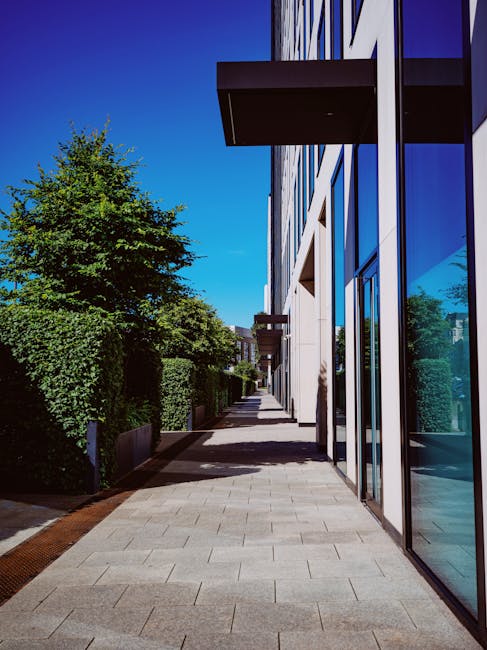
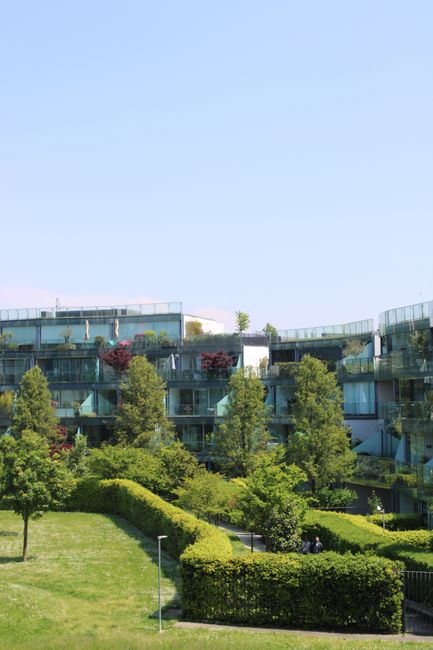
If you manage flats or offices in Anerley, you already know that outside space has a habit of being noticed only when it starts looking tired. One week the entrance beds are neat, the next there's ivy creeping where it shouldn't, the lawn looks patchy, and the hedge has that slightly unruly look that makes a place feel less cared for. Finding the Best commercial gardeners in Anerley for flats and offices is really about avoiding that slide, and keeping your property looking professional all year round. Not glamorous, perhaps, but very effective.
This guide explains what commercial gardeners actually do for residential blocks and workplace sites, how regular maintenance usually works, what to look for when comparing providers, and which services matter most for shared outdoor areas in SE20. If you want a greener, tidier, lower-stress site, you're in the right place.
Why Best commercial gardeners in Anerley for flats and offices Matters
Flat blocks and office premises are different from private gardens. They're shared, exposed to foot traffic, expected to look neat from the street, and often judged in seconds by residents, visitors, clients, and delivery drivers. That means garden care is not just about plants. It's about presentation, safety, access, and consistency.
A good commercial gardener understands that a communal courtyard needs a different rhythm from a family back garden. Lawn edges need to stay crisp. Hedges can't be left until they block windows or paths. Entrance planters must look intentional rather than forgotten. And where there's a small outdoor seating area, someone has to keep the patio clean enough that people actually want to use it.
In Anerley, where many properties balance greenery with compact outdoor space, the right maintenance plan can make a surprisingly big difference. A tidy frontage gives a block a calmer feel. A well-kept office entrance suggests attention to detail before anyone even steps inside. That's the bit people notice, even if they don't say it out loud.
Expert summary: the best commercial gardeners for flats and offices are not simply "good at gardening"; they're reliable, tidy, schedule-aware, and comfortable working around residents, tenants, staff, and access rules.
If your site also has lawns that need regular attention, it helps to pair general upkeep with specialist care such as structured lawn care in Anerley and routine lawn mowing services. For properties with shared planting beds and mixed-use outdoor areas, a broader commercial gardening service usually brings everything together more cleanly.
How Best commercial gardeners in Anerley for flats and offices Works
Commercial gardening usually starts with a site review. That review may be formal or informal, but the idea is the same: understand what needs doing, how often, and what level of finish is expected. A small office terrace will need a different plan from a block with front lawns, rear communal planting, boundary hedges, and a couple of trees that need monitoring.
From there, a schedule is built around the site's real needs. Some jobs are seasonal, like pruning, leaf clearance, and tree work. Others are recurring, such as mowing, hedge trimming, and general maintenance. A sensible plan often mixes both. Otherwise, you get the common mess where the lawn is immaculate but the hedges are falling into the path. Bit pointless, really.
On most flat and office sites, the work tends to fall into a few practical categories:
- Routine maintenance: weeding, deadheading, clearing debris, refreshing beds, and keeping entrances presentable.
- Turf and lawn care: mowing, edging, feeding, scarifying, aeration, and weed management where needed.
- Hedge and shrub management: trimming, shaping, height control, and keeping sightlines open.
- Hard surface cleaning: patio washing and clearing slippery buildup in communal areas.
- Tree-related work: inspection, pruning, and, where appropriate, specialist tree surgery.
For some sites, extras like patio cleaning, hedge trimming, or even fencing work can be folded into the same maintenance programme. That keeps the property looking coordinated instead of patched together.
The best providers also know how to work around people. Morning visits before office arrivals. Quiet, tidy work in communal areas. Clear communication if access is needed. No one wants a mower roaring under the windows during a meeting, let's face it.
Key Benefits and Practical Advantages
There's the obvious benefit: the place looks better. But the real value of professional commercial gardening is broader than appearance alone.
- Consistent presentation: you avoid the stop-start look that happens when maintenance is ad hoc.
- Better safety: clear paths, managed roots, reduced trip hazards, and less overgrowth around entrances.
- Longer life for outdoor features: regular care helps protect decking, paving, fences, and planting infrastructure.
- Less pressure on managers: one dependable contractor is easier than juggling one-off fixes.
- Improved resident and staff experience: people notice neatness, shade, privacy, and usable outdoor space.
- Seasonal resilience: the site is better prepared for storms, heat, and winter decline.
Commercial gardeners also bring a steadier eye to problems that residents or office staff may not spot early. For example, a hedge starting to lean into a path, ivy creeping into a wall edge, or grass thinning in the same corner every month. Those are small things until they aren't.
If your site has a tired lawn, working with a team that understands both mowing and longer-term improvement is a smart move. Pairing regular cuts with proper lawn care gives you a better finish than mowing alone. And if the block has tree cover, keeping an eye on tree surgery needs can protect both safety and the overall shape of the landscape.
Who This Is For and When It Makes Sense
This service is for anyone responsible for shared or client-facing outdoor space in Anerley. That includes property managers, freeholders, residents' associations, block managers, facilities teams, office administrators, and small business owners who want the front of their building to feel cared for.
It makes especially good sense if:
- your building has a communal entrance garden or courtyard;
- the outdoor area is visible from the street or reception;
- residents or staff use the space regularly;
- you've had complaints about untidy hedges, weeds, or leaf build-up;
- you need predictable visits rather than one-off rescue jobs;
- there are trees, boundary screens, or hard landscaping that need periodic attention.
It's also relevant if you're trying to keep maintenance affordable over the long run. Truth be told, many costly "repairs" begin as simple missed maintenance. A hedge left too long. A patio left slippery. A fence line ignored until it worsens. Small neglect becomes a bigger invoice, and nobody enjoys that conversation.
For compact urban spaces, the smartest solutions are often layered. A courtyard might benefit from low-maintenance planting, clean edging, and a few structural elements that stay tidy with less effort. If that sounds familiar, you may find ideas in resources on low-maintenance garden solutions and vertical gardening for city spaces.
Step-by-Step Guidance
If you're comparing commercial gardeners for flats and offices, here's a practical way to do it without overcomplicating the process.
- List the actual issues on site. Walk the property and note what needs attention: lawn, hedge, weeds, trees, fences, paving, planters, or seasonal clearance.
- Separate urgent from routine work. Safety issues and access problems come first. Cosmetic work can follow, though ideally not too far behind.
- Check whether they handle the full mix of tasks. A provider who can do garden maintenance, mowing, hedge trimming, and clearing is often easier to manage than several separate contractors.
- Ask how they schedule recurring visits. Monthly, fortnightly, or seasonal visits all have different strengths. Offices often need a reliable rhythm; flats often need steady, visible upkeep.
- Ask about access, communication, and reporting. If nobody is on site all day, the gardener should have a sensible system for updates.
- Confirm what is included. Does the quote cover removal of cuttings? Minor pruning? Waste disposal? Edging? Don't assume. Assumptions are expensive little things.
- Test the first few visits. On a shared site, the first month usually tells you a lot: punctuality, finish quality, tidiness, and how well the team fits around people.
For properties with larger shrubs or narrow sightlines, hedge work should never be treated as an afterthought. A well-maintained hedge can provide privacy without making entrances feel boxed in. For more detailed shaping and seasonal care, hedge trimming techniques are worth understanding before you agree a plan.
Expert Tips for Better Results
Here are the small things that separate a decent service from a really good one.
- Set the standard visually. Show your gardener what "good" looks like on your site. A few photos help more than a long email.
- Prioritise edges and entrances. That's where people judge the whole place. A clean edge often changes the feel of a block more than another hour of general tidying.
- Keep planting simple where possible. In communal sites, low-fuss plants often outperform fussy ones. They survive busy life better.
- Build in seasonal clear-outs. Autumn leaf fall and late-winter cutbacks should be planned, not improvised.
- Mix routine and restorative work. Regular mowing is useful, but the site also needs occasional deeper attention, such as hedge reduction, bed reshaping, or pressure washing.
- Ask for preventative thinking. Good gardeners don't just tidy; they notice patterns. Where does water sit? Which side of the hedge keeps overgrowing? What gets damaged every month?
In our experience, the best results usually come from the simplest brief: keep the site clean, safe, and manageable, then improve one or two problem areas each season. That approach feels boring on paper, maybe. But it works.
For office courtyards or smaller balconies, a tidy and realistic planting scheme can do a lot. If the site is exposed or the planting areas are awkward, ideas from gardens that thrive in windy conditions and container gardening can help shape a better brief.
Common Mistakes to Avoid
Some of the biggest mistakes are surprisingly ordinary.
- Choosing on price alone. Cheap can work out expensive if the site looks rushed or the visits are unreliable.
- Not defining the scope. If nobody specifies waste removal, hedge shaping, or seasonal bed care, confusion follows.
- Ignoring trees until they become a concern. Trees should be assessed before they become a safety or shading issue.
- Letting lawns become the only focus. In flat blocks and offices, hard landscaping, hedges, and entrances often matter just as much.
- Leaving maintenance too long between visits. Once growth gets away from you, the job gets harder, slower, and less tidy.
- Overcomplicating planting schemes. Too many species, too much colour variation, and too many maintenance demands can make communal areas look messy fast.
A lot of people also underestimate how much a clean patio or paved area affects the whole property. Slippery build-up, moss, and staining can make an otherwise attractive site feel neglected. A straightforward patio cleaning service can quietly fix that without needing a major redesign.
And if your boundary line is looking scruffy, or residents keep asking about screening, better fencing can be part of the solution rather than a separate headache. A well-kept edge makes the whole site calmer.
Tools, Resources and Recommendations
You do not need to become a gardening expert to manage a commercial site well, but it helps to know which tools and service types actually matter.
- For lawns: mower, edging tools, scarifier, feed, and a sensible weed control approach.
- For hedges and shrubs: hedge trimmers, secateurs, loppers, and safe access equipment.
- For shared beds: mulches, low-maintenance planting, and a clear plan for weeds and seasonal refreshes.
- For paved surfaces: regular sweeping and periodic washing to stop grime building up.
- For trees: professional assessment and specialist work where required, rather than guesswork.
If you're reviewing a site for the first time, a simple notebook or digital checklist is often enough. Record the state of each area, what has changed since the last visit, and what should happen next. Sounds basic, but basic systems usually save the day.
For managers building a better maintenance plan, these reading topics can help with practical ideas: weed control for lawns, reviving neglected spaces, and making outdoor seating areas more usable.
Law, Compliance, Standards and Best Practice
Commercial gardening for flats and offices in the UK often touches on practical compliance, even when no one calls it that. The key is to work carefully, safely, and with awareness of shared spaces.
For example, tree work should be handled by someone competent and insured for the task. If a tree is near a building, driveway, path, or parking area, it's not a casual pruning job. Likewise, waste should be handled responsibly, and work areas should be left safe and tidy so residents, staff, and visitors are not put at risk.
Best practice usually includes:
- Clear access planning so people know when work will happen;
- Risk awareness around slips, trips, tools, height, and shared circulation routes;
- Proper disposal of green waste where included in the service;
- Use of appropriate equipment for the scale of the site;
- Respect for residents and office users through tidy work habits and sensible timing.
If your property includes trees that overhang paths or create shade issues, it's worth looking at specialist tree surgery in Anerley rather than leaving it to general maintenance alone. Better safe than sorry. Also, much less awkward later.
For planting, there's no single rulebook that fits every communal garden. The best practice is usually simple: choose durable plants, keep access routes clear, and avoid designs that demand constant attention unless someone is specifically there to provide it.
Options, Methods and Comparison Table
Different properties need different kinds of support. Here's a simple comparison to help you decide what level of service fits your site.
| Service approach | Best for | Strengths | Limitations |
|---|---|---|---|
| Basic tidy-up visits | Small sites with light growth | Quick, affordable, useful for keeping things under control | Can miss deeper issues if used alone |
| Scheduled maintenance | Flats and offices needing steady presentation | Reliable, predictable, easier to budget for | Needs a clear scope and regular communication |
| Full commercial garden management | Larger or more complex properties | Best for mixed lawns, hedges, trees, and planted areas | May be more than a tiny site actually needs |
| Project-based improvements | Sites needing repair, redesign, or restoration | Good for problem areas and upgrades | Not enough on its own for ongoing presentation |
For many Anerley buildings, the sweet spot is a blend: regular maintenance plus targeted seasonal jobs. That might mean routine mowing, periodic hedge trimming, and occasional work such as decking upkeep or boundary improvements. If your site has timber features, the article on hardwood decking benefits and drawbacks is a useful companion read before planning any upgrades.
Case Study or Real-World Example
Picture a small office-and-flat building in Anerley with a front strip of lawn, a hedge along the pavement, two planter beds by the entrance, and a rear paved area used by residents and staff. Nothing extravagant. Just a place that needs steady attention.
At first, the issues are minor: uneven grass, weeds in the paving joints, and a hedge that's started to blur the building line. A busy manager leaves it until the weather warms up, then everything grows at once. By mid-season, the hedge is intruding into the path, the lawn is patchy at the edges, and the patio has that dull grey film that makes it feel older than it is.
A sensible commercial gardening plan would start with a clean-up visit: mow, edge, weed, trim the hedge back to a better shape, and clear the paved area. The next visit would be about keeping up the standard rather than rescuing it. After that, the team could suggest a few quieter improvements - perhaps replacing one high-maintenance bed with more resilient planting, or adjusting the mowing schedule so the lawn stays even rather than stressed.
That's the value of a good local gardener. Not drama. Not overdesign. Just a property that keeps looking looked after.
If the site has narrow corners or awkward shaded areas, ideas from evergreen climbers for dark spaces or ground covers that bring colour can help improve those problem spots without adding much upkeep.
Practical Checklist
Use this before you appoint or brief a commercial gardener for flats and offices in Anerley.
- Walk the site and list every area that needs attention.
- Mark safety issues first: overgrown paths, slippery surfaces, obstructed sightlines.
- Note recurring jobs: mowing, hedges, weeding, leaf clearing, and bin-area tidying.
- Check whether you need specialist work such as tree surgery or fencing repair.
- Decide how often the site really needs visiting.
- Ask what's included in the service and what counts as extra.
- Make access arrangements clear for residents, staff, or caretakers.
- Confirm how waste will be removed or stored.
- Ask for a simple update process after each visit.
- Review the first month and adjust the schedule if needed.
One small but useful tip: if the team can explain what they would do in autumn, winter, and spring without sounding vague, that's usually a good sign. Seasonal thinking matters. A lot.
Conclusion
The best commercial gardeners in Anerley for flats and offices are the ones who make the whole site feel easier to live with and easier to manage. They keep lawns neat, hedges under control, entrances welcoming, and shared spaces safe and presentable without turning everything into a fuss. That balance is the real win.
Whether you need ongoing maintenance, a seasonal tidy-up, better lawn care, or help with larger jobs like hedge trimming and tree work, the key is to choose a team that understands shared spaces and works with care. Good gardening in a commercial setting is quiet, consistent, and dependable. You notice it most when it's missing.
Get a free quote today and see how much you can save.
If you're planning the next step, start with the areas that affect first impressions most, then build from there. A tidy entrance, a managed lawn, and a clear maintenance plan can change the feel of a building faster than people expect. And honestly, it's one of those improvements that keeps paying you back in peace of mind.
Frequently Asked Questions
What do commercial gardeners do for flats and offices?
They handle the regular care of shared outdoor spaces, such as mowing, hedge trimming, weeding, planting upkeep, patio cleaning, and seasonal tidy-ups. For larger or more complex sites, they may also manage tree work and fence-related repairs.
How often should a flat block or office garden be maintained?
It depends on the site, but many properties benefit from recurring visits rather than one-off clearances. Lawns and visible entrance areas often need the most regular attention, while hedge, tree, and seasonal tasks can be scheduled less often.
Is commercial gardening different from domestic gardening?
Yes. Commercial work usually involves shared access, higher visibility, more coordination, and a stronger focus on consistency, safety, and presentation. The plants matter, of course, but so do timing and communication.
Can one gardener handle lawns, hedges, and patio cleaning?
Often, yes. Many commercial gardening services can combine routine maintenance with lawn care, hedge trimming, and patio cleaning. If the site also needs specialist tree work, that may require separate expertise.
What should I ask before hiring a gardener for my block or office?
Ask what is included, how often they recommend visits, whether waste removal is covered, how they handle access, and whether they can manage both routine and seasonal work. A clear answer is usually worth more than a polished sales pitch.
How do I know if my site needs tree surgery?
If branches are overhanging paths, touching buildings, blocking light, or showing signs of poor structure, a specialist assessment is sensible. Tree work should be handled carefully, especially around communal areas and parking spaces.
Are low-maintenance planting schemes better for flats and offices?
Usually, yes. Shared sites often benefit from durable, easy-care planting that stays tidy with less effort. That doesn't mean boring. It just means practical, and practical tends to win over time.
What's the benefit of regular hedge trimming?
Regular trimming keeps hedges neat, prevents them from blocking paths or windows, and helps the whole property look maintained. It can also reduce the need for drastic cuts later, which is always preferable.
Should communal patios be cleaned professionally?
If the area gets regular use, yes, that's often worthwhile. Professional patio cleaning helps remove grime, moss, and staining, making the space safer and more pleasant to use.
How can I make a small office courtyard look better without major work?
Start with clean edges, tidy planting, and a strong maintenance routine. Then consider low-maintenance planting, better container use, or improving one feature at a time rather than trying to redesign everything at once.
What is the main mistake people make with commercial garden maintenance?
The biggest mistake is waiting too long between visits. Once growth gets ahead of you, the site quickly looks neglected and the work becomes more expensive and more disruptive.
Where should I start if the garden has been neglected for a while?
Start with a clear-up: remove debris, cut back overgrowth, address weeds, and restore access. Then set a regular maintenance schedule so the property doesn't fall back into the same pattern. If you need ideas, there are useful insights in reviving a neglected garden.