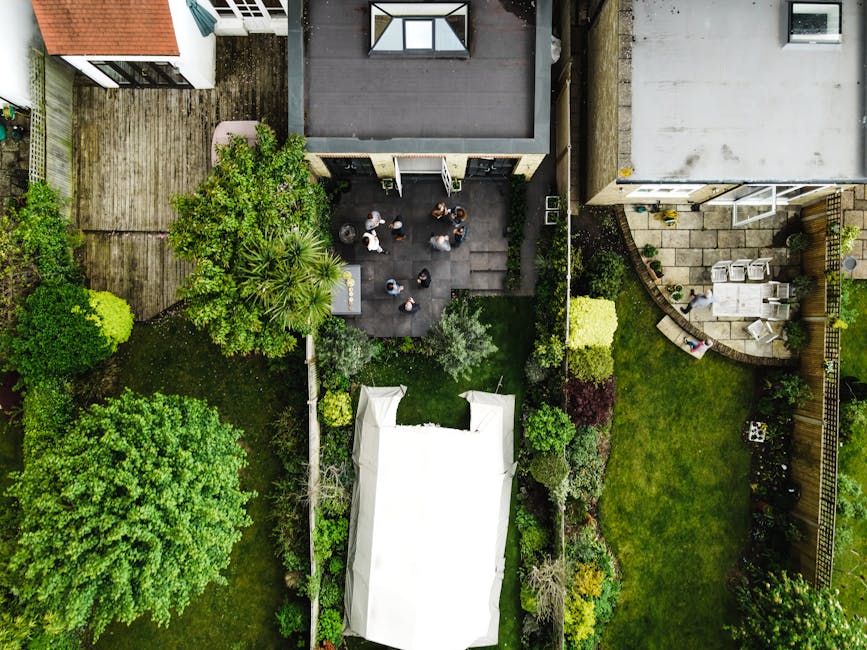
Anerley Road garden services small back garden solutions
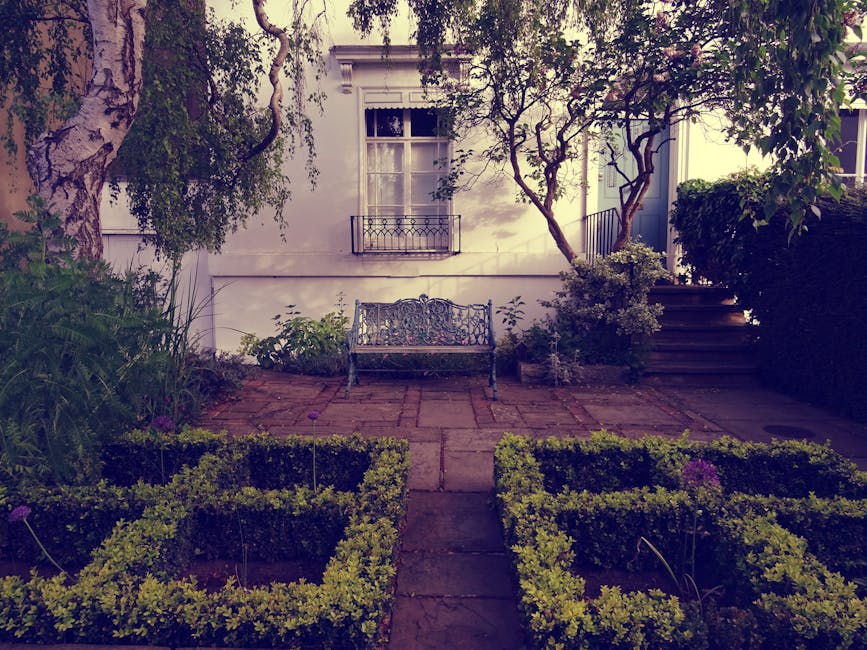
If you live near Anerley Road, you probably know the feeling: the garden is there, but it never quite feels like enough garden. A narrow patch, a shaded corner, awkward steps, a tired lawn, maybe a fence that seems to eat half the space. That is exactly where Anerley Road garden services small back garden solutions come in. The right approach can turn a cramped outdoor area into a place that feels brighter, tidier, and genuinely useful, without pretending you have a huge plot to work with.
This guide breaks down what works in small back gardens, why it matters, how local garden services typically tackle the challenge, and which mistakes tend to waste time and money. You will also find practical steps, a comparison table, a checklist, and a few grounded examples from the sort of gardens people actually have in this part of London. Let's face it, small gardens need smarter choices, not more stuff.
Why Anerley Road garden services small back garden solutions Matters
Small back gardens are often the most demanding outdoor spaces in a home. Every square metre has to earn its place. If you waste a little space on the wrong shrub, a bulky shed, or a lawn that never thrives in shade, the whole garden can feel cramped and underused. A thoughtful garden service changes that by looking at the garden as a system, not a list of separate chores.
On Anerley Road and in nearby SE20 streets, gardens are commonly shaped by terraces, long narrow plots, shared boundaries, and mature neighbouring trees. Some get strong afternoon sun. Others sit in shadow for much of the day. A few are exposed to wind that arrives in awkward little bursts between buildings. The result is not a bad garden. It is just a garden that needs the right design decisions.
That is why small back garden solutions matter. They help you create structure, reduce clutter, improve movement, and make maintenance realistic. In practice, this often means combining tidy planting, careful lawn care, pruning, hard landscaping, and simple storage or screening ideas. If you want a garden that looks cared for on a Tuesday evening after work, rather than only after a heroic weekend clean-up, this approach is the sensible one.
A useful place to begin is with broader upkeep. Regular garden maintenance in Anerley SE20 keeps small plots from slipping into that overgrown, tangled stage where every task becomes harder than it should be.
How Anerley Road garden services small back garden solutions Works
The process is usually much simpler than people expect. A good local gardener starts by looking at access, light, drainage, and how you actually use the space. Not how you wish you used it. How you really use it. That small distinction changes everything.
From there, the service is usually built around a few core decisions:
- Clear the load: remove dead growth, ivy, self-seeded plants, and anything blocking usable space.
- Define zones: separate seating, planting, play, and access so the garden feels ordered.
- Choose compact planting: use smaller shrubs, climbers, ground covers, and container displays to keep the footprint manageable.
- Reduce maintenance pressure: swap thirsty or high-care features for practical surfaces and resilient planting.
- Improve hard surfaces: clean patios, repair paths, refresh decking, or rework small paving sections to make the garden feel larger and brighter.
That may sound straightforward, but the trick is in the sequence. For example, if a garden is filled with overgrown hedging, you will want to sort that before deciding whether there is really room for extra planting or seating. If the patio is slippery and dull, a clean, safe surface can instantly change the feel of the whole place. Services like patio cleaning for SE20 homes and hedge trimming often do more for perceived space than people realise.
Then there is the practical side: lawns, boundaries, and tree cover. A shaded lawn can look tired no matter how lovingly you water it. In those cases, you may be better off improving the lawn care plan or reducing the grass area rather than fighting a losing battle. If that sounds familiar, lawn care in Anerley SE20 can help you decide whether rescue or replacement makes more sense.
Key Benefits and Practical Advantages
The value of a properly planned small-garden service is not just visual. It affects how you use the space day to day. You notice it when the back door opens onto somewhere calm instead of somewhere irritating. Small wins matter.
- More usable space: by reducing dead corners and bulky obstacles, you gain room for sitting, planting, or moving around.
- Easier upkeep: a tidy structure means less frequent rescue work and fewer long weekend clear-outs.
- Better light and flow: careful pruning and layout choices can make a small garden feel brighter and less boxed in.
- Improved privacy: slim hedging, screened boundaries, or selective fencing can soften overlooked spaces without closing everything off.
- Lower long-term stress: if the garden is designed to suit its size, you stop fighting it all the time. And that is a relief, honestly.
For many households, the biggest win is simply confidence. A small garden that feels planned, not crowded, gets used more often. Morning coffee. A child's scooter parked neatly by the fence. A few herbs in pots. A chair that stays dry enough to sit on after a light shower. These are ordinary things, but they make the garden feel alive.
There is also a property-care angle. A neat, balanced garden tends to support the impression of a well-managed home. No dramatic claims here, just common sense. A compact space that looks intentional usually lands better than one that looks neglected or overfilled.
If the garden has a fence line that is tired or broken, replacing or repairing it can immediately sharpen the whole space. In tight plots, the boundary matters more than people think. A clean line at the edge helps the rest of the garden breathe. That is where fencing services in Anerley SE20 can be a genuinely useful part of the plan.
Who This Is For and When It Makes Sense
This type of service is a strong fit if your garden is small, narrow, overlooked, shaded, or just awkwardly laid out. It is also useful if you have the time to enjoy a garden but not the time to constantly rescue it. Truth be told, that is most people.
It especially makes sense for:
- homeowners with compact back gardens that feel cluttered or underused
- landlords who want an outdoor space to look tidy and appealing between tenancies
- busy families who need a safe, simple area rather than a high-maintenance showpiece
- older homeowners who want easier upkeep and safer access
- people who want to grow herbs, flowers, or climbers without losing usable floor space
It is also a good fit when a garden has become a bit of everything. A corner for storage, a bit of lawn, a few random pots, a trellis with something struggling on it, and maybe a patch of weeds that keeps trying to take over. If that sounds familiar, you are not alone. Small gardens often become catch-alls, and then nobody enjoys them.
On the other hand, if your garden already has a clear design and just needs light maintenance, a full redesign may be overkill. Sometimes what you need is regular cutting, seasonal tidy-ups, and a cleaner finish. The right answer depends on the current condition, not on what sounds impressive.
Step-by-Step Guidance
Here is a practical way to approach a small back garden on Anerley Road, whether you are improving it yourself or working with a gardener.
- Assess the space honestly. Measure the key dimensions, note where the sun falls, and check for damp, shade, or drainage problems. Take photos if needed. It helps more than people expect.
- Remove obvious clutter. Start with dead plants, broken pots, weeds, and anything blocking movement. If ivy has spread into walls or fences, deal with it early rather than later. It tends to get bossy, does ivy.
- Decide what the garden must do. Is it for sitting, growing, storage, children, pets, or all four? In a small garden, you usually have to pick two or three priorities and let the rest go.
- Create a simple structure. Use edging, narrow beds, stepping stones, or a small seating area to make the space feel planned. Structure is what stops a compact garden from feeling messy.
- Choose planting with restraint. Use vertical interest, compact shrubs, climbers, and ground cover rather than oversized beds that swallow the space.
- Refresh the surfaces. Clean paving, tidy decking, and level any awkward transitions. A small patio can become the whole focal point if it is clean and well cared for.
- Schedule maintenance. Trim, mow, sweep, and weed regularly so the garden stays manageable. Small gardens go from tidy to scruffy surprisingly fast, especially after one warm wet week.
If the garden includes decking, it is worth looking at the condition of the boards, fixings, and finish before deciding on any wider layout changes. A compact garden with a neat deck can feel bigger and calmer. A damaged deck, not so much. For that kind of upgrade, decking services in Anerley SE20 can be part of the solution.
When trees or large shrubs are making the garden dark, it may be worth selective reduction rather than blunt removal. A little more light can transform the whole atmosphere. If tree work is involved, use a proper professional approach and treat it as a safety job, not a casual trim with the nearest saw. For that, tree surgery in Anerley SE20 is the relevant specialist route.
Expert Tips for Better Results
Here is the stuff that usually separates a decent small-garden result from a really effective one.
- Use vertical layers: fences, trellis, climbers, wall planters, and tall narrow planting can add interest without taking floor space.
- Keep a sightline open: if you can see the full depth of the garden, it usually feels larger. A clear central view helps a lot.
- Repeat materials: using the same paving tone, pot style, or edging material keeps the eye calm.
- Work with shade, not against it: in a shaded garden, choose plants that tolerate low light rather than forcing sun-lovers to struggle.
- Trim with intention: don't just cut back a hedge because it looks untidy; shape it so it frames the space.
- Keep containers lean: a few larger, well-placed pots often look better than lots of tiny ones scattered everywhere.
A small but important tip: avoid overfilling every edge. Empty space is not wasted space. It gives the eye somewhere to rest. In a tiny garden, that matters more than in a larger one. Otherwise the whole thing starts to feel like a storage cupboard with plants in it.
For readers who want a more low-maintenance result, some of the best ideas are surprisingly simple. Ground cover, smaller planting schemes, and tidy hard landscaping can reduce the amount of ongoing work while still giving you colour and texture. You can explore more ideas in these low-maintenance garden solutions.
If you want to improve the garden for people and pets at the same time, plan for hard-wearing surfaces, safe planting, and clear routes. That way the garden feels welcoming without turning into a patch of trampled soil by Wednesday.
Common Mistakes to Avoid
Small gardens do not forgive poor decisions very gracefully. The mistakes below are the ones we see over and over.
- Choosing plants that grow too large: one oversized shrub can dominate the whole plot.
- Keeping too much lawn: in many compact gardens, lawn takes effort but offers little practical reward.
- Using too many materials: mixed finishes can make the space look chopped up.
- Ignoring drainage: a small garden that stays soggy becomes difficult to use and maintain.
- Blocking access to storage or bins: neatness quickly disappears if everyday items have no home.
- Pruning without a plan: random cutting often creates awkward gaps and uneven shapes.
Another common trap is trying to make a small garden do everything. A dining space, play area, wildlife corner, herb bed, shed zone, sunbathing deck, and decorative border may sound lovely on paper. In reality, it can feel crowded and confusing. Better to build a strong core use and leave room for the garden to breathe.
And yes, this is where people often overbuy things. Too many pots, too many ornaments, too many little ideas. One or two thoughtful features usually beat a pile of extras. The garden is not a living room. It does not need that many cushions.
Tools, Resources and Recommendations
You do not need a van full of equipment to improve a small garden, but you do need the right basics. Good tools make small jobs easier, safer, and far less annoying.
- Hand shears and secateurs: useful for precise pruning in compact spaces.
- Lightweight rake and broom: ideal for clearing leaves, grit, and clipped material from patios and paths.
- Spade and trowel: enough for planting, edging, and soil improvement.
- Hose or watering can: especially important for containers and newly planted beds.
- Weed-removal tools: handy where a small weed patch can quickly spread out of control.
- Soil improvers and mulch: support healthier planting and help keep moisture levels steadier.
If you are rebuilding a neglected space, it helps to think in layers: clear, repair, plant, then maintain. That order saves time. It also stops you from planting into a problem you could have fixed first. For a deeper refresher on the early stages, this guide to reviving a neglected garden is a useful companion piece.
For gardens with dark corners, evergreen climbers and vertical features can bring height and softness without stealing floor area. That is especially handy when the footprint is tiny but the visual effect needs a bit of life. A well-chosen climber can do more than a dozen tiny pots, to be fair.
Law, Compliance, Standards and Best Practice
Most small-garden work is straightforward, but a few practical standards are worth keeping in mind. If your garden is attached to shared boundaries, trees, or fences, avoid assumptions. Check ownership, check access, and be cautious with anything growing across a line you do not fully control.
For tree work, use a qualified professional where the task involves larger branches, height, unstable stems, or anything near structures and power lines. That is not just a formality; it is basic safety. Likewise, if you are removing significant vegetation close to walls, sheds, or neighbouring gardens, it is worth planning the work properly so nobody ends up with avoidable damage.
Waste handling matters too. Green waste should be dealt with responsibly, and if a service is removing a lot of material, ask how it will be cleared and processed. Good practice is part of good gardening. It is not glamorous, but it matters.
If the space is being changed structurally, for example with fencing, new decking, or substantial reworking of surfaces, the safer route is always to check what is suitable for the property and the surroundings before starting. A small garden can be changed a lot by a few materials, which is exactly why care is needed.
Options, Methods, or Comparison Table
Different small gardens need different levels of intervention. The table below gives a simple way to think about the main approaches.
| Approach | Best for | Pros | Watch-outs |
|---|---|---|---|
| Light maintenance only | Gardens already in decent shape | Quick, economical, keeps things tidy | Won't fix layout problems or long-term clutter |
| Targeted tidy-up and pruning | Overgrown but workable spaces | Improves light, shape, and access fast | May still leave deeper design issues unresolved |
| Small-garden redesign | Awkward, crowded, or underused plots | Creates clearer zones and better flow | Takes more planning and usually a bigger budget |
| Low-maintenance conversion | Busy homes, rentals, or shade-heavy gardens | Reduces upkeep, improves reliability | Needs careful planting and decent hard landscaping |
As a rule, if your garden feels visually busy but functionally empty, redesign is probably the smarter choice. If it is basically fine but tiring to keep under control, maintenance and pruning may be enough. No need to make things grander than they are.
Case Study or Real-World Example
Take a typical small back garden near Anerley Road: narrow, a little shaded, with a patchy lawn, a few tired shrubs, and a patio that has gone dull with moss and weather staining. The owners want somewhere to sit outside after dinner, but the space feels more like a corridor than a garden.
The solution in a case like that is usually not dramatic. First, the overgrowth is cut back so the boundaries are visible again. Then the patio is cleaned so the space looks brighter and safer underfoot. The lawn is assessed honestly; if it is thin, muddy, and mostly in shade, a reduced lawn area or a different surface may be the better call. Next comes structure: one narrow planting bed, a couple of taller pots, and a small seating zone with room to move. Add a fence repair or screen if privacy is an issue, and suddenly the garden starts feeling like a place rather than a leftover strip of land.
That sort of transformation is not about perfection. It is about usefulness. The garden becomes easier to cross, easier to sit in, and easier to keep tidy. Which, in real life, is usually what people wanted all along.
Practical Checklist
Use this quick checklist before you start any small back garden project.
- Measure the garden and note narrow points, shaded areas, and damp corners.
- Decide what matters most: seating, planting, storage, play, or low maintenance.
- Remove weeds, dead growth, and clutter first.
- Check the condition of fences, paving, decking, and drainage.
- Choose compact planting and vertical features where space is tight.
- Keep one clear route through the garden.
- Use surfaces and materials that suit the level of upkeep you can realistically manage.
- Set a simple seasonal maintenance plan.
- Get professional help for trees, structural work, or larger problem areas.
- Think about how the garden will feel at 8am, 6pm, and after rain, not just on a sunny day.
If you are starting from a messy or neglected state, begin with the biggest visual obstruction first. That one move often gives you the momentum to keep going. Strange but true.
Conclusion
A small back garden on Anerley Road does not need to be big to be brilliant. It needs clarity, restraint, and a plan that respects the space it actually has. The best Anerley Road garden services small back garden solutions are the ones that make daily life easier: tidier boundaries, cleaner surfaces, better planting choices, and a layout that fits how you use the garden now.
That is the real goal. Not a show garden. Not a magazine spread. Just a calm, well-used outdoor space that works on ordinary days and still feels pleasant when you open the back door on a damp Monday morning. That is a solid win.
If your garden has started to feel cramped, overgrown, or awkward to manage, the next sensible step is to get a practical assessment and build the solution around your space, your habits, and your maintenance comfort level. Get a free quote today and see how much you can save.
Small gardens can be lovely. Sometimes they just need a bit of clear thinking and a steady hand.
Frequently Asked Questions
What are the best small back garden solutions for a narrow space?
For narrow gardens, the best results usually come from vertical planting, slim seating, clear pathways, and a reduced number of materials. The aim is to create flow rather than pack the space full.
Can garden services really make a small garden look bigger?
Yes. Careful pruning, patio cleaning, boundary repairs, and a simpler layout can all change how spacious a garden feels. Often the biggest improvement is visual clarity rather than added square footage.
Should I keep a lawn in a small back garden?
Sometimes, but not always. If the lawn gets enough light and is used regularly, it can work well. If it is patchy, shaded, or difficult to maintain, another surface or a smaller lawn may be more practical.
How often should a small garden be maintained?
It depends on the planting and season, but small gardens usually benefit from frequent light maintenance rather than occasional heavy work. A quick tidy every couple of weeks often prevents bigger problems later.
What is the easiest way to make a compact garden lower maintenance?
Use resilient planting, reduce lawn area if needed, keep borders simple, and choose surfaces that are easy to sweep or clean. Ground cover and container planting can also reduce the workload.
Do small gardens need professional hedge trimming?
If hedges are starting to block light, push into paths, or lose their shape, professional trimming can make a noticeable difference. In compact gardens, a tidy hedge line often makes the whole space feel neater.
Is decking a good idea in a small back garden?
It can be, especially when you want a defined seating area. Good decking should suit the size of the space, though, and it should not overwhelm the rest of the garden. Clean lines matter.
What should I do with a neglected small garden first?
Start by removing weeds, dead growth, broken items, and anything blocking access. Then assess the structure, surfaces, and planting. If you want a full reset, a garden maintenance visit is often the best first step.
How do I choose between planting and hard landscaping?
If you want a softer, greener feel, go heavier on planting. If you need ease of use, seating, or simple upkeep, hard landscaping may play a bigger role. Most good small gardens use a balance of both.
Are there any safety issues with tree work in a small garden?
Yes. Trees close to buildings, fences, or power lines should be handled carefully. Larger or risky work is best left to a proper tree surgery service, especially where access is tight.
Can I make a small garden more private without building a full fence?
Absolutely. Trellis, climbers, selective screening, tall planting, and well-placed containers can all add privacy without making the space feel enclosed. It is a bit of a balancing act, but a useful one.
How do I get started if I am not sure what my garden needs?
Begin with a simple assessment: what feels cluttered, what is hard to maintain, and what would improve daily use most. From there, a local gardening service can suggest a practical order of work instead of guessing.