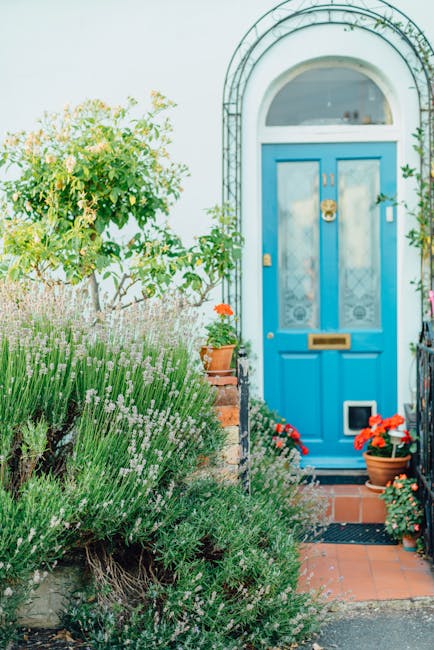
Anerley gardeners local guide to SE20 front garden makeovers

If your front garden in SE20 feels a bit tired, a little overgrown, or simply not doing your home justice, you are not alone. In Anerley, front gardens work hard: they frame the house, set the tone for the street, and often have to cope with awkward soil, compact spaces, shade, and the general wear-and-tear of London life. This Anerley gardeners local guide to SE20 front garden makeovers is here to help you turn that patch in front of the house into something tidy, welcoming, and genuinely useful.
The best front garden makeovers are not always the flashiest ones. In our experience, the most successful projects are the ones that balance looks with maintenance, privacy with openness, and structure with planting that can actually thrive. Let's face it, no one wants a front garden that looks wonderful for three weeks and then becomes a weekend chore. Below, you will find a practical, local-first guide to planning, building, and maintaining a front garden that suits Anerley life.
Expert summary: A strong SE20 front garden makeover usually starts with the bones of the space: tidy edges, healthy lawn or low-maintenance ground cover, smart hedging, practical hard landscaping, and a planting scheme that works with your light, soil, and time available.
Why Anerley gardeners local guide to SE20 front garden makeovers Matters
Front gardens are not just decorative. In SE20, they often handle several jobs at once. They create kerb appeal, add privacy, define boundaries, soften hard frontages, and sometimes provide space for bins, bikes, or a modest seating spot. A good makeover makes all of that feel intentional rather than improvised.
Local context matters more than people think. Anerley properties can vary from compact terraced fronts to slightly deeper plots with mature hedges or awkward corners. The light can be patchy, street exposure can be windy, and paved areas may get slippery with algae and leaf build-up. That means a design that works beautifully in a glossy magazine spread may not be the right fit here at all.
There is also the practical side. A front garden that is simple to maintain usually stays in better shape year-round. That is where local gardeners, and sensible planning, really earn their keep. If you are thinking beyond a one-off tidy-up, a more coordinated approach using garden maintenance in Anerley SE20 can keep the whole space looking sharp without constant effort.
And there is a small but real emotional benefit too. Walking up to a home with a neat path, healthy planting, and clean borders just feels better. You notice it on the way out the door in the morning. You notice it when you come home tired. It sets the mood. Funny how a few metres of garden can do that, but they really can.
How Anerley gardeners local guide to SE20 front garden makeovers Works
A useful front garden makeover is usually built in layers. First comes assessment. Then design. Then the practical works. Finally, the follow-up maintenance that keeps everything looking good after the dust settles.
The assessment stage is about understanding what is already there. Is the space sunny or shaded? Is the soil heavy and wet, or dry and compacted? Does the front need privacy from the street, or is openness more important? Are there mature shrubs that can be saved, or is the space full of neglected growth that needs clearing? A proper look at the site prevents expensive missteps later.
Next comes the design decision-making. Front garden makeovers in Anerley often fall into one of four broad styles:
- Low-maintenance clean-up: Neat lawn, tidy edges, hardy planting, and minimal extras.
- Structured modern look: Paving, raised beds, straight lines, and clipped hedging.
- Soft cottage-style frontage: Mixed planting, seasonal colour, and layered textures.
- Privacy-led makeover: Hedges, fencing, and screening plants that reduce visibility from the road.
After that comes the physical work: clearing, pruning, reshaping, edging, replacing tired materials, and improving the planting. Depending on the condition of the space, the project may also involve hedge trimming for a cleaner boundary line, lawn mowing to reset the main visual surface, or even patio cleaning to remove grime and bring the hard landscaping back to life.
Sometimes there is a more structural element, such as new edging, fencing, or a small decked area. For that kind of upgrade, services like fencing in Anerley SE20 or decking services in Anerley SE20 can change how the front garden feels without making it overcomplicated.
Key Benefits and Practical Advantages
A front garden makeover is about more than looking tidy for a few days. Done well, it creates a lasting improvement in daily life and property presentation.
- Better kerb appeal: A well-kept front garden makes the home feel cared for and more inviting.
- Less ongoing work: Smart planting and simplified layouts reduce future maintenance headaches.
- Improved privacy: Hedges, fencing, and planting can soften the view from the street without making the frontage feel closed in.
- Safer access: Clean paths and sensible layouts reduce trip hazards and slippery surfaces.
- Better use of space: Even tiny front gardens can work harder with the right layout.
- Seasonal interest: A mix of evergreens, bulbs, and ground cover keeps the garden from looking bare in winter.
There is also a maintenance advantage that people sometimes overlook. If the design uses plants suited to local conditions, you spend less time rescuing them. That sounds obvious, but it is one of the biggest reasons some gardens stay handsome while others slide backwards every month.
For example, a front garden with patchy grass may benefit more from a durable planting scheme than from constant turf repair. In that case, a combination of lawn care, smart edging, and ground cover such as the ideas in ground cover planting ideas can give you a much more resilient result.
Who This Is For and When It Makes Sense
This kind of makeover is suitable for a wide mix of homeowners and renters, though the scale will differ.
You may be the right fit if:
- your front garden looks cluttered, bare, or neglected
- you want a tidier entrance without a full redesign
- you are preparing a property for sale or rental
- you need more privacy from the pavement or road
- you are tired of mowing a tiny lawn that never quite improves
- you have inherited an overgrown garden and do not know where to start
It also makes sense if the frontage feels like dead space. Quite a few homes in SE20 have front gardens that are technically "there" but not actually useful. A makeover can make the area easier to maintain, better looking, and more in tune with how you live.
If the space is badly neglected, it is often worth beginning with a clear-down rather than jumping straight to planting. For overgrowth, brambles, ivy, or self-seeded shrubs, a service such as general gardening services in Anerley SE20 can help you get back to a clean starting point. If ivy is particularly stubborn, this guide on removing ivy permanently is a useful companion read.
Step-by-Step Guidance
Here is a practical route through a front garden makeover that keeps things realistic.
1. Start with a proper clear-out
Remove dead growth, broken pots, old edging, weeds, and any clutter that has drifted into the space over time. This gives you a clean read on the size and shape of the garden. It also stops you designing around problems that should just be removed.
2. Decide what the garden must do
Ask a few simple questions. Do you need privacy? Is parking sightlines important? Do you want flowers, structure, low maintenance, or all three? If the answer is "all three, but not too much work," you are like most people, to be fair.
3. Protect the strongest existing features
Some front gardens already have useful mature plants, a strong hedge, or a decent path. Keep what works. A good makeover does not mean ripping out everything. Sometimes it is just a matter of refining the shape and editing the noise.
4. Tackle the hard landscaping
Paths, walls, edging, steps, and paving often define whether a front garden feels polished or patchy. Clean surfaces make an immediate difference. If the paving is stained or mossy, consider patio and paving cleaning before spending money on new planting. You may be surprised how much better the space already looks.
5. Rebuild the planting structure
Use layers. Low ground cover at the front, mid-height shrubs in the middle, and taller screening plants or hedging at the back where needed. For privacy, an approach informed by fast-growing hedge ideas can be particularly useful.
6. Choose plants that suit the site, not the dream
This is where many projects go wrong. People choose plants they love in theory, then discover the front garden is too windy, too shaded, or too dry. Better to choose robust plants that match the conditions. Evergreen climbers, hardy hedges, and reliable ground covers often do more for an SE20 frontage than temperamental showpieces.
7. Add one clear focal point
A small tree, architectural planter, bench, or tidy doorway planting can give the eye somewhere to rest. One focal point is enough. Two can work. Seven starts to look like a garden centre had a delivery mishap.
8. Plan the maintenance from day one
Ask how the garden will be kept in shape in February, not just May. Regular lawn mowing, hedge trimming, and seasonal garden care matter just as much as the initial makeover. A beautiful front garden is really a system, not a snapshot.
Expert Tips for Better Results
Here are the details that often separate a decent front garden from a truly polished one.
- Use repetition: Repeating one or two plant species creates calm and makes the frontage feel designed rather than scattered.
- Keep the edge line crisp: A sharp border between lawn, path, and bed does more for the eye than people expect.
- Work with the street view: Stand across the road and look back at the house. That is how neighbours and passers-by see it.
- Do not overplant small spaces: Narrow front gardens quickly feel cramped if every inch is filled.
- Pick resilient evergreens: They keep structure through winter, when many front gardens otherwise collapse visually.
- Build around maintenance reality: If you only have time for light upkeep, say so at the design stage.
A small seasonal touch can help too. In spring, a few bulbs or fresh mulch can lift the space dramatically. In autumn, a tidy-up and leaf removal keep the frontage from looking abandoned. Simple, but effective. The good stuff is often simple.
For a more relaxed look that still feels modern, you might borrow ideas from low-maintenance garden solutions or even the balance and calm described in zen garden strategies. Those ideas translate surprisingly well to front spaces, especially where clutter is the main issue.
Common Mistakes to Avoid
Front garden makeovers can go sideways in predictable ways. Avoiding these mistakes saves time, money, and a fair amount of frustration.
- Choosing plants only for looks: Pretty is fine. Pretty and suitable is better.
- Ignoring drainage: Waterlogged beds and slippery surfaces create ongoing problems.
- Leaving old features half-finished: A half-removed hedge stump or broken path tends to undermine the whole design.
- Going too bold with materials: A tiny frontage rarely suits a complicated mix of paving, gravel, and decorative features.
- Forgetting the front door: The garden should lead the eye to the entrance, not compete with it.
- Skipping maintenance planning: If no one will ever trim it, mow it, or clean it, reconsider the choice.
Another common one: people underestimate how much shade a house, fence, or tree creates. If a large tree is involved, it may be worth assessing whether it needs attention from tree surgery in Anerley SE20. A tree that is too dense, poorly shaped, or encroaching on the frontage can dominate the whole design if left unchecked.
And yes, sometimes the mistake is simply trying to do too much at once. A restrained design usually ages better.
Tools, Resources and Recommendations
You do not need a van full of gear to improve a front garden, but the right basics make the job easier.
Useful tools for DIY work
- spade and border fork
- secateurs and loppers
- hedge trimmer
- rake and leaf collector
- stiff brush for hard surfaces
- wheelbarrow or sturdy garden bags
- measuring tape and string line for planning edges
Practical resources and habits
- take photos before you start so you can compare progress
- measure the bed widths before buying plants
- check how much sun the space gets at different times of day
- keep a note of what thrives and what keeps failing
- mulch beds after planting to hold moisture and suppress weeds
For people who prefer a proper reset, a professional approach often begins with a broader tidy-up from garden maintenance services, then moves into the details like hedge shaping, turf care, and edging. If you are still learning the basics of garden upkeep, the article essential tips for beginners is a sensible place to build confidence.
Law, Compliance, Standards, or Best Practice
For front garden work in Anerley, the main compliance points are usually practical rather than dramatic. Still, they matter.
If you are altering boundaries, removing trees, or changing access, check whether any permissions, ownership questions, or shared boundary issues apply before starting. In London, trees can sometimes have extra protection or practical considerations, so it is wise not to cut first and ask later. That is where a careful assessment helps.
For fencing, paving, drainage, and access routes, best practice is to make sure the layout is safe, stable, and sensible for everyday use. Surfaces should drain properly, edges should not create trip hazards, and any new structure should feel integrated rather than temporary. If you are working near public access, keep the frontage tidy during the project too.
On the environmental side, it is also good practice to reuse healthy soil, compost green waste responsibly, and avoid unnecessary disposal. There is no need to make a mountain of waste if most of it can be trimmed, mulched, or recycled on site. The broader approach in turning organic waste into fertile soil is a good reminder that tidy work and sustainable work can go together.
Where tree work, hedge reductions, or major pruning are involved, the safe route is to use someone who understands plant health as well as appearance. A rushed cut may look tidy today and cost you dearly later. Annoyingly common, that.
Options, Methods, or Comparison Table
Different front gardens need different approaches. Here is a simple comparison of the most common makeover styles.
| Approach | Best for | Typical strengths | Watch-outs |
|---|---|---|---|
| Low-maintenance planting | Busy households, small gardens | Easy care, year-round structure, fewer chores | Can look sparse if under-planted |
| Formal clipped front garden | Homes needing neat kerb appeal | Crisp appearance, strong structure, tidy frontage | Needs regular trimming |
| Soft mixed border design | People who want colour and texture | Seasonal interest, more personality | Can become messy if not managed |
| Privacy-led frontage | Homes facing busy streets | Reduces visibility, feels calmer | Can block light if overdone |
| Hard-landscaped frontage | Very compact or exposed sites | Durable, practical, low watering needs | Needs good material choices to avoid a stark look |
If you are unsure which path suits your home, it often helps to begin with the existing condition. A tired lawn, for example, may need a different plan from a frontage dominated by mature shrubs. You can explore the balance between mowing, feeding, and seasonal care through lawn care in SE20 or simply decide to replace the lawn with more resilient planting if that makes more sense.
Case Study or Real-World Example
Here is a realistic example from the kind of work often seen in Anerley. A homeowner had a narrow front garden with a patchy lawn, an overgrown hedge, cracked edging, and a paving area that had gone green with algae by late autumn. The space did not look disastrous, but it definitely looked ignored.
The makeover began with clearing away dead growth and reducing the hedge so the frontage felt open again. The paving was cleaned, the border edges were reset, and the weak lawn area was assessed honestly rather than patched repeatedly. Instead of forcing a full lawn comeback, the design shifted toward a simpler structure: tidy edging, a compact planting scheme, and a few evergreen plants for year-round shape.
Nothing dramatic. No theatrical redesign. But the before-and-after difference was immediate. The house felt brighter. The path looked wider. The front door became the focus again. That is usually the sign of a good front garden makeover: it makes the property feel more itself, not just more decorated.
In projects like that, the best results often come from combining several services rather than treating each issue separately. A tidy hedge, cleaner hard surfaces, and sensible planting can do more together than a single big gesture. Sometimes the sensible option is the impressive one, which is a bit annoying for anyone hoping for a shortcut.
Practical Checklist
Use this checklist before you start your SE20 front garden project.
- Confirm what the garden needs to do: privacy, kerb appeal, low maintenance, or all three
- Measure the space accurately
- Check sun, shade, wind, and drainage
- Decide what existing features should stay
- Remove clutter, weeds, and dead growth
- Clean paths, paving, or patio areas
- Trim hedges and shrubs to define the space
- Choose plants suited to the conditions
- Keep a clear route to the front door
- Plan how the garden will be maintained after the makeover
- Consider whether fencing, decking, or structural changes would improve the layout
- Book help early if the work involves trees, heavy pruning, or a full reset
If the job feels bigger than a weekend project, that is a good sign to slow down and plan properly. Rushing usually shows later.
Conclusion
A front garden makeover in Anerley does not need to be extravagant to be effective. The strongest results usually come from clean structure, practical planting, and a design that respects how the space actually behaves through the seasons. If you focus on durability, proportion, and maintenance from the start, your frontage will look better for longer and ask less of you in the meantime.
The beauty of a thoughtful SE20 makeover is that it can be as modest or as ambitious as your home needs. A sharpened hedge, cleaner paving, better lawn care, or a more resilient planting scheme can all make a meaningful difference. And when the pieces are chosen well, the whole property lifts with them.
Get a free quote today and see how much you can save.
When a front garden starts to work properly, the whole house feels more welcoming. That is a small win, maybe, but a lovely one.
Frequently Asked Questions
What should I prioritise first in a SE20 front garden makeover?
Start with the basics: clear the space, define the boundaries, and fix any problems with paving, hedging, or overgrowth. Once the structure is under control, planting decisions become much easier.
Do I need a full redesign, or can I improve the garden in stages?
You can absolutely do it in stages. Many front gardens improve most when the work is phased: clearance first, then hard landscaping, then planting, then maintenance. That approach is often kinder to the budget too.
What makes a front garden low maintenance?
Low-maintenance front gardens usually rely on hardy plants, simple layouts, good edging, and fewer high-care features like fussy bedding schemes. Evergreen structure and ground cover are often more dependable than high-turnover displays.
Is lawn a good idea for a small front garden in Anerley?
Sometimes, yes, but not always. If the area is heavily shaded, narrow, or difficult to access, a small lawn can become more work than it is worth. In those cases, a simpler planting scheme may be a better fit.
How often should hedges be trimmed in a front garden?
It depends on the species and growth rate, but front hedges are usually best kept to regular light trims rather than waiting for them to become unruly. Neat, frequent shaping generally gives better results than one big cut each year.
Can patio cleaning really improve a makeover that much?
Yes, it can. Dirty or slippery paving makes even a well-planted garden feel neglected. A clean hard surface instantly improves the appearance of the frontage and helps the planting stand out.
What if my front garden is very shady or windy?
Then plant choice matters even more. Shade-tolerant, wind-tolerant, and hardy evergreen plants will usually outperform delicate choices. It is worth designing for the real conditions rather than the ideal ones.
Should I add fencing or keep the front open?
It depends on whether you want privacy, security, or a more open street-facing look. Some homes benefit from a low boundary or a refined fence, while others look better with a softer, more open frontage.
How do I stop a front garden from looking bare in winter?
Use evergreen shrubs, structural plants, and a few strong shapes. Seasonal interest can still be added, but the backbone of the design should look good even when flowers are gone.
What are the most common mistakes people make with front garden makeovers?
The biggest mistakes are choosing unsuitable plants, ignoring drainage, overfilling a small space, and forgetting about maintenance. A front garden needs to be practical as well as attractive.
Is tree work ever part of a front garden makeover?
Yes, especially if a tree is shading out the garden, growing too close to the frontage, or affecting the shape of the space. In those cases, careful tree surgery may be part of the overall plan.
How do I know whether to DIY or hire a gardener?
If the job is mainly light tidying, planting, or edging, DIY may be fine. If there is major overgrowth, heavy pruning, structural work, or repeated maintenance needs, bringing in a local professional is often the calmer option.